Blogs
Common Causes of Hair Fall and Hair Thinning
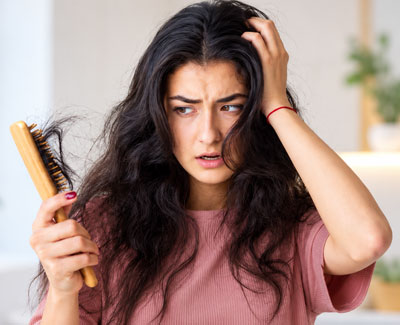
Hair fall and hair thinning are common concerns that can affect people of different ages. While losing some hair every day is a normal part of the hair growth cycle, excessive shedding, reduced hair volume, or a widening parting may indicate an underlying concern.
Hair loss can develop gradually or appear suddenly. Understanding its possible causes can help you identify when professional assessment may be needed and guide appropriate hair and scalp care.
What Causes Hair Fall and Hair Thinning?
Hair loss can occur due to several factors, including genetics, hormonal changes, nutritional deficiencies, stress, and certain medical conditions. The cause may differ from one person to another.
- Genetics: Hereditary hair loss can cause gradual thinning and changes in hair density over time.
- Stress: Significant physical or emotional stress may trigger increased hair shedding.
- Nutritional Deficiencies: Low levels of nutrients such as iron or inadequate protein intake may contribute to hair loss.
- Hormonal Changes: Hormonal fluctuations and certain thyroid conditions may affect the hair growth cycle.
- Scalp Conditions: Certain scalp disorders and inflammatory conditions can affect hair health and growth.
- Hair Care Practices: Tight hairstyles, frequent chemical treatments, and excessive heat styling may contribute to hair breakage or damage.
Hair Fall vs. Hair Thinning: What's the Difference?
Hair fall refers to increased shedding of hair, which may be noticed while washing, combing, or styling. Hair thinning refers to a reduction in hair density, making the scalp more visible or the hair appear less full.
These concerns can occur together, but they do not always have the same cause. Identifying the pattern and duration of hair loss can help a dermatologist determine the next steps for evaluation.
Signs You Should Not Ignore
Changes in your hair may develop gradually, so it is useful to pay attention to persistent or unusual symptoms.
- Noticeably increased hair shedding.
- Gradual thinning or a widening hair parting.
- Round or patchy areas of hair loss.
- Persistent scalp itching, redness, or scaling.
- Hair loss accompanied by scalp discomfort or pain.
How Can You Support Healthy Hair?
Gentle hair care and healthy daily habits can help reduce avoidable hair damage. However, the right approach depends on whether the concern is related to shedding, breakage, a scalp condition, or another cause of hair loss.
- Use gentle hair care products suited to your scalp.
- Avoid hairstyles that pull tightly on the hair.
- Limit excessive heat styling and harsh chemical treatments.
- Maintain a balanced diet with adequate protein and nutrients.
- Avoid taking hair supplements without appropriate advice.
- Seek assessment if hair loss is persistent or worsening.
When Should You Consult a Dermatologist?
Consider consulting a dermatologist if hair fall continues, thinning becomes noticeable, bald patches appear, or you experience scalp irritation. Sudden or patchy hair loss deserves prompt assessment.
A dermatologist may examine the scalp and hair pattern and recommend further tests when indicated. Treatment depends on the underlying cause, so identifying the reason for hair loss is an important first step.
Consult Dr. Ranjita Kannattukunnel
Dr. Ranjita Kannattukunnel is a dermatologist with an M.B.B.S. and an M.D. in Dermatology, Venereology and Leprosy from MGM Medical College & Hospital, Navi Mumbai. She provides dermatological consultations for hair fall, hair thinning, and related scalp concerns.
Her patient-focused approach emphasizes careful assessment, understanding individual concerns, and guiding patients toward appropriate dermatological care.
Concerned about hair fall or thinning? Book a consultation with Dr. Ranjita Kannattukunnel to discuss your hair and scalp concerns.