Services
Dark Spot and Uneven Skin Tone Treatment in Kharghar, Navi Mumbai
Dark spots, pigmentation, and uneven skin tone are common skin concerns that can affect the appearance of the face and other exposed areas. These changes may develop due to sun exposure, acne-related inflammation, hormonal fluctuations, ageing, or certain skin conditions. The appearance and underlying cause of pigmentation can differ from person to person, making proper skin assessment important before choosing a treatment.Dark Spot and Uneven Skin Tone Treatment in Kharghar, Navi Mumbai
Dr. Ranjita Kannattukunnel provides dermatological consultation in Kharghar, Navi Mumbai, for individuals experiencing dark spots, facial pigmentation, and uneven complexion. A personalised assessment helps identify possible causes and determine suitable treatment options according to the person's skin type and condition.
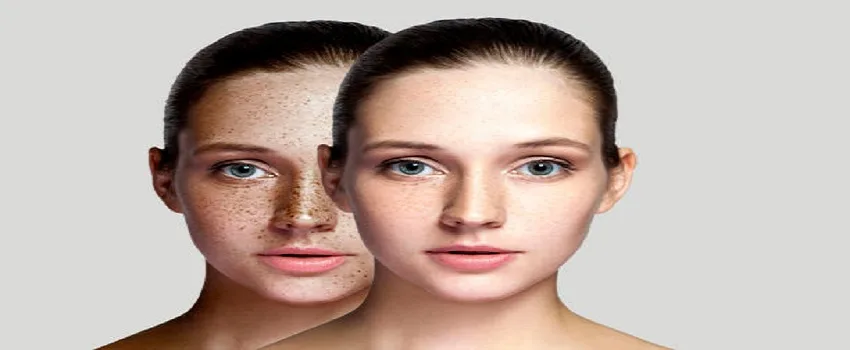
What Causes Dark Spots and Uneven Skin Tone?
Dark spots develop when certain areas of the skin produce or retain more pigment than the surrounding skin. This may result in small dark marks, larger patches, or an uneven complexion. Identifying the cause is an important part of selecting appropriate care.Read Patient Reviews
- Sun Exposure: Ultraviolet radiation can stimulate melanin production and contribute to dark spots, tanning, and uneven skin tone.
- Post-Acne Marks: Inflammation caused by acne may leave dark marks even after pimples have healed.
- Hormonal Changes: Hormonal fluctuations may contribute to pigmentation conditions such as melasma.
- Age-Related Pigmentation: Repeated sun exposure over time may contribute to the development of age spots and other pigmented areas.
- Skin Irritation: Inflammation or irritation caused by unsuitable skin care products may sometimes lead to post-inflammatory pigmentation.
- Existing Skin Conditions: Certain dermatological conditions can cause changes in skin colour and pigmentation.
Common Types of Dark Spots and Pigmentation
Not all dark spots are the same. Their appearance, location, and underlying causes help a dermatologist understand the type of pigmentation and select suitable treatment options.
- Melasma: Often appears as brown or grey-brown patches, particularly on the cheeks, forehead, upper lip, and other facial areas.
- Post-Inflammatory Hyperpigmentation: Dark marks that develop after acne, skin irritation, injuries, or other inflammatory conditions.
- Sun Spots: Flat brown spots that commonly appear on sun-exposed areas such as the face, hands, and arms.
- Freckles: Small pigmented spots that may become more noticeable following sun exposure.
- Generalised Uneven Skin Tone: Differences in pigmentation across facial or body areas that may be associated with sun exposure or other skin-related factors.
Signs You May Need Dark Spot Treatment
Changes in skin pigmentation may appear gradually or become noticeable after acne, sun exposure, or hormonal changes. Consider a dermatological consultation if you experience:
- Brown or dark patches appearing on the cheeks, forehead, or upper lip.
- Dark marks remaining after acne breakouts have healed.
- Uneven skin colour between different facial areas.
- Pigmentation becoming more noticeable after sun exposure.
- Recurring dark patches despite following a regular skin care routine.
- Skin discolouration that does not improve with ordinary skin care products.
How Are Dark Spots and Uneven Skin Tone Evaluated?
Before recommending treatment, a dermatologist evaluates the pattern and appearance of pigmentation. The assessment helps distinguish between different pigmentation concerns and other skin conditions that may look similar.
- Visual Skin Examination: Checking the colour, distribution, size, and appearance of dark spots.
- Medical History: Understanding when pigmentation started and whether it is associated with acne, hormonal changes, medication, or previous skin problems.
- Skin Type Assessment: Evaluating skin sensitivity, oiliness, dryness, and other characteristics that may influence treatment selection.
- Previous Skin Care Review: Discussing products, medications, and procedures used before the consultation.
- Individual Treatment Planning: Selecting suitable care according to the type and severity of pigmentation.
Treatment Approaches for Dark Spots and Uneven Skin Tone
Treatment depends on the cause, depth, and extent of pigmentation, along with the person's skin type and medical history. Different concerns may require different approaches, and there is no single treatment suitable for everyone.
- Medical Skin Care: Dermatologist-recommended topical products may be considered to manage certain types of pigmentation.
- Pigmentation Management: Treatment is selected according to whether the concern is melasma, post-acne pigmentation, sun spots, or another condition.
- Sun Protection: Appropriate sunscreen use and sun-protection measures help reduce further pigmentation caused by ultraviolet exposure.
- Skin Care Routine Guidance: Suitable cleansing, moisturising, and skin care habits may support skin health and reduce irritation.
- Selected Dermatological Procedures: Depending on clinical suitability and available treatment options, certain procedures may be discussed after a detailed assessment.
Patients seeking Dark Spot and Uneven Skin Tone Treatment in Kharghar, Navi Mumbai should avoid using strong skin-lightening products or combining multiple active ingredients without professional guidance. Treatment recommendations should be based on the underlying pigmentation concern.
How to Prevent Dark Spots and Uneven Skin Tone
Consistent skin care and sun protection can help reduce the risk of developing additional pigmentation. Some useful measures include:
- Apply a broad-spectrum sunscreen as recommended by your dermatologist.
- Limit prolonged direct sun exposure, particularly during peak sunlight hours.
- Avoid picking or squeezing acne lesions, as inflammation may leave dark marks.
- Use skin care products suitable for your skin type.
- Avoid harsh scrubs and excessive exfoliation that may irritate the skin.
- Follow a consistent skin care routine and seek professional advice for persistent pigmentation.
When Should You Consult a Dermatologist?
Consider consulting a dermatologist if dark spots continue to increase, pigmentation keeps returning, acne marks remain visible, or uneven skin tone is not improving with your current skin care routine. Professional assessment is also important when a spot changes in size, shape, or colour, or develops itching or bleeding.
A dermatologist can evaluate whether the concern is related to pigmentation or another skin condition and recommend appropriate next steps. Avoid self-treating changing or unusual pigmented spots without medical evaluation.
Why Consult Dr. Ranjita Kannattukunnel in Kharghar?
Dark spots and uneven skin tone can develop due to different causes, including sun exposure, hormonal changes, acne-related inflammation, and other dermatological conditions. Dr. Ranjita Kannattukunnel provides dermatological consultation in Kharghar, Navi Mumbai, for individuals experiencing facial pigmentation, dark marks, uneven complexion, and related skin concerns. An individual skin assessment helps identify the nature of the concern and guide suitable treatment recommendations.
For Dark Spot and Uneven Skin Tone Treatment in Kharghar, Navi Mumbai, consult Dr. Ranjita Kannattukunnel for personalised skin assessment and appropriate treatment guidance. Call +91 85915 87953 for appointments.
Frequently Asked Questions (FAQs)
Q1. What causes dark spots on the face?
Ans - Dark spots may develop due to sun exposure, acne-related inflammation, hormonal changes, ageing, or certain skin conditions. A dermatologist can assess the appearance and possible cause of the pigmentation.
Q2. What is the difference between dark spots and uneven skin tone?
Ans - Dark spots are specific areas of increased pigmentation, while uneven skin tone refers to differences in colour across larger areas of the skin. Both concerns may be related to sun exposure, inflammation, or pigmentation disorders.
Q3. Can acne leave permanent dark spots?
Ans - Acne can leave post-inflammatory dark marks after the breakouts heal. These marks may gradually fade, although the time required varies. Some deeper acne scars are different from pigmentation and may need separate evaluation.
Q4. Can sunscreen help prevent dark spots?
Ans - Yes. Regular use of suitable broad-spectrum sunscreen helps protect the skin from ultraviolet radiation, which can worsen existing pigmentation and contribute to new dark spots.
Q5. Can hormonal changes cause facial pigmentation?
Ans - Yes. Hormonal changes can contribute to conditions such as melasma, which commonly appears as brown or grey-brown patches on the face. Proper assessment helps identify the type of pigmentation.
Q6. How long does it take to improve uneven skin tone?
Ans - Improvement time varies according to the cause, depth of pigmentation, skin type, and treatment approach. Some pigmentation concerns take several weeks or months to show visible improvement.
Q7. Can home remedies remove dark spots?
Ans - Home remedies may not effectively treat the underlying cause of pigmentation. Some ingredients can irritate the skin and make dark marks worse. It is better to seek dermatological advice before trying unverified remedies.
Q8. Are dark spots and melasma the same?
Ans - No. Dark spots are a general description of pigmented areas, while melasma is a specific pigmentation condition that commonly causes patches on the face. A dermatologist can help distinguish between different types of pigmentation.
Q9. Should I consult a dermatologist for recurring pigmentation?
Ans - Yes. Recurring or persistent pigmentation may need evaluation to identify its underlying cause. A dermatologist can recommend suitable treatment and skin care measures based on the assessment.
Q10. Where can I get Dark Spot and Uneven Skin Tone Treatment in Kharghar, Navi Mumbai?
Ans - You can consult Dr. Ranjita Kannattukunnel in Kharghar, Navi Mumbai, for assessment of dark spots, pigmentation, and uneven skin tone. Call +91 85915 87953 for appointment enquiries.
Services Area
Sector 35D, Kharghar | Kutak Bandhan, Kharghar | Sector 34C, Kharghar | Sector 35E, Kharghar | Sector 36, Kharghar | Kharghar