Blogs
Understanding Acne and Its Common Causes
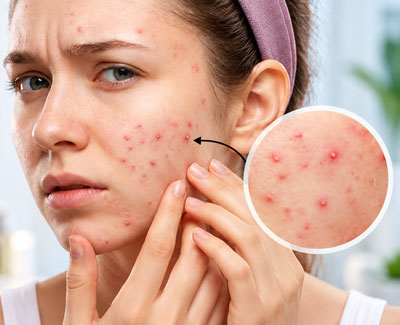
Acne is a common skin condition that can affect people of different ages, particularly teenagers and young adults. It develops when hair follicles become clogged with oil and dead skin cells, leading to blackheads, whiteheads, pimples, and sometimes deeper, painful breakouts.
Although acne is common, its causes and severity can vary from person to person. Understanding the factors that contribute to acne can help you make informed skincare choices and seek appropriate treatment when needed.
What Causes Acne?
Acne usually develops due to a combination of factors affecting the skin. Excess oil production, blocked pores, bacteria, and inflammation can contribute to breakouts.
- Excess Oil Production: Overactive oil glands can contribute to clogged pores and acne breakouts.
- Blocked Pores: Dead skin cells can accumulate inside hair follicles and contribute to blackheads, whiteheads, and pimples.
- Hormonal Changes: Hormonal fluctuations during puberty, menstrual cycles, and other life stages can increase oil production.
- Bacteria and Inflammation: Changes in the skin's natural microbial environment and inflammatory responses can contribute to acne lesions.
- Genetics: A family history of acne may increase the likelihood of developing the condition.
Can Skincare Habits Contribute to Acne?
Certain skincare habits and products may worsen acne in some individuals. Heavy or pore-clogging products, excessive scrubbing, and frequently changing skincare routines may irritate the skin or aggravate existing breakouts.
Using suitable skincare products and following a gentle, consistent routine can help support skin health. However, acne is not simply caused by poor hygiene, and washing the face excessively will not necessarily improve it.
How Can You Help Manage Acne?
A consistent skincare routine and appropriate treatment can help manage acne. Simple habits may support your skin while reducing irritation and the risk of worsening breakouts.
- Cleanse your face gently, usually twice a day.
- Choose non-comedogenic skincare and makeup products.
- Avoid squeezing or picking pimples.
- Use suitable sun protection as part of your skincare routine.
- Avoid harsh scrubs and excessive exfoliation.
- Follow a treatment plan appropriate for your skin.
When Should You Consult a Dermatologist?
Consider consulting a dermatologist if acne is persistent, painful, worsening, leaving scars, or affecting your confidence and daily life. Early assessment can help identify the type and severity of acne and guide appropriate treatment.
Acne treatment varies according to individual skin concerns. A dermatologist can assess your skin and recommend suitable options based on the nature and severity of your breakouts.
Consult Dr. Ranjita Kannattukunnel
Dr. Ranjita Kannattukunnel is a dermatologist with an M.B.B.S. and an M.D. in Dermatology, Venereology and Leprosy from MGM Medical College & Hospital, Navi Mumbai. She provides patient-focused dermatological care, including consultation for acne and related skin concerns.
Her approach emphasizes careful assessment, patient education, and personalized care to help individuals understand their skin concerns and make informed treatment decisions.
Concerned about acne or recurring breakouts? Book a consultation with Dr. Ranjita Kannattukunnel for an assessment of your skin concerns.