Blogs
Understanding Skin Pigmentation & Melasma
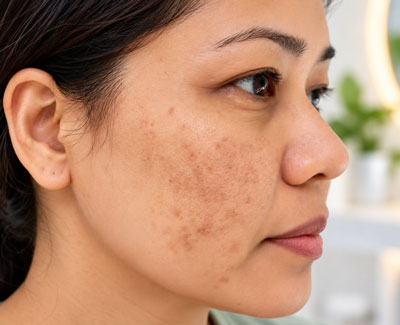
Skin pigmentation refers to the colour of the skin, which is influenced by melanin, the pigment produced by specialised skin cells. When melanin production or distribution changes, darker patches or uneven skin tone may develop. These changes can occur on the face and other parts of the body.
Melasma is a common pigmentation concern that often appears as brown or grey-brown patches, particularly on the cheeks, forehead, upper lip, and chin. Understanding the possible causes can help you make informed decisions about skin care and treatment.
What Causes Skin Pigmentation?
Pigmentation can develop due to several factors. The appearance, location, and duration of dark patches may vary depending on the underlying cause.
- Sun Exposure: Ultraviolet radiation can stimulate melanin production and contribute to dark spots and uneven skin tone.
- Hormonal Changes: Hormonal influences may contribute to melasma, particularly during pregnancy or while using certain hormonal medications.
- Acne and Skin Inflammation: Dark marks may remain after pimples, irritation, or other inflammatory skin conditions heal.
- Genetic Factors: Family history and individual skin characteristics can influence the likelihood of developing certain pigmentation concerns.
- Skin Irritation: Some unsuitable products or harsh treatments may aggravate irritation and contribute to post-inflammatory pigmentation.
What Is Melasma?
Melasma is a pigmentation condition characterised by irregular brown or grey-brown patches, commonly affecting sun-exposed areas of the face. It may appear gradually and can become more noticeable with sun exposure and certain hormonal influences.
Melasma can be persistent and may return even after improvement. Identifying the condition correctly is important because different pigmentation concerns may require different treatment approaches.
How Can You Manage Pigmentation?
Consistent skin care and sun protection can help manage many pigmentation concerns. The most suitable approach depends on the type of pigmentation, skin characteristics, and individual treatment needs.
- Use broad-spectrum sunscreen regularly.
- Reapply sunscreen as directed, especially during prolonged outdoor exposure.
- Wear protective clothing and seek shade when possible.
- Follow a gentle skin care routine suited to your skin.
- Avoid picking pimples or irritating pigmented areas.
- Seek professional advice before using strong pigmentation treatments.
What Treatments May Help?
Depending on the diagnosis, a dermatologist may recommend suitable topical products, chemical peels, or other treatment options. Treatment should be selected carefully according to the type of pigmentation and individual skin needs.
Melasma often requires ongoing care and sun protection. Results can vary, and pigmentation may recur, so realistic expectations and appropriate follow-up are important.
When Should You Consult a Dermatologist?
Consider consulting a dermatologist if dark patches persist, pigmentation is spreading, or the cause is unclear. Any spot that changes rapidly in size, shape, or colour, or starts bleeding, should also be assessed promptly.
A dermatologist can examine your skin, help identify the type of pigmentation, and recommend appropriate care based on your individual concerns.
Consult Dr. Ranjita Kannattukunnel
Dr. Ranjita Kannattukunnel is a dermatologist with an M.B.B.S. and an M.D. in Dermatology, Venereology and Leprosy from MGM Medical College & Hospital, Navi Mumbai. She provides consultations for pigmentation concerns, melasma, and other skin conditions.
Her patient-focused approach emphasises careful assessment, skin health education, and personalised dermatological care according to individual needs.
Concerned about dark spots, uneven skin tone, or melasma? Book a consultation with Dr. Ranjita Kannattukunnel to discuss your skin concerns.